Sewer Lateral Installation in Denver, CO
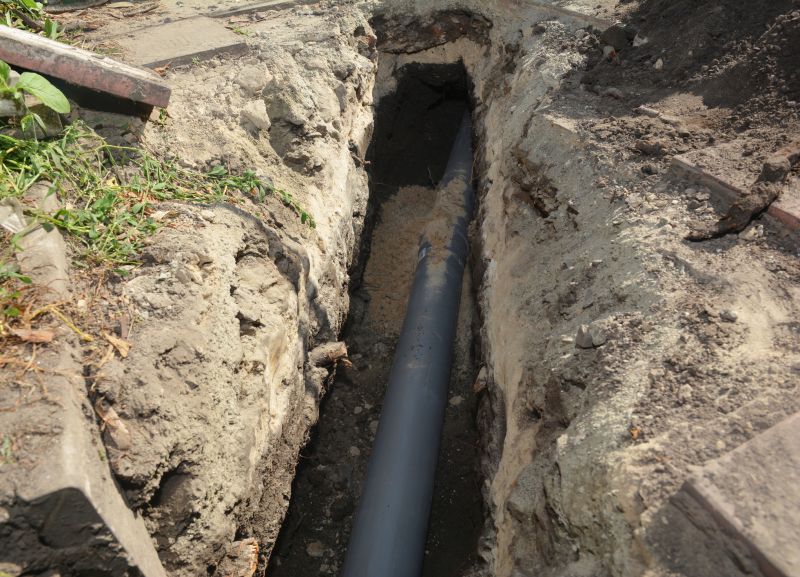
Sewer lateral installation involves the process of connecting a property's plumbing system to the main sewer line, typically extending from the building's foundation to the municipal sewer system or a private septic tank. This service is often needed during new construction, property upgrades, or when existing sewer connections are damaged or outdated. Projects can include installing new sewer lines for homes, replacing old or broken lateral pipes, or extending lines to accommodate additions or renovations. Property owners should consider factors such as the location of existing sewer lines, property layout, and local regulations when planning a sewer lateral installation.
Before requesting sewer lateral installation, homeowners usually want to understand the scope of work involved, potential disruptions, and the importance of proper planning. It’s helpful to know if permits are required and how the installation might impact landscaping or existing structures. Additionally, understanding the materials used and the durability of the new sewer line can ensure long-term functionality. Clarifying these details can assist property owners in making informed decisions and preparing adequately for the project.
Many property owners in Denver, CO look into Sewer Lateral Installation for repairs, replacements, upgrades, and appearance-related improvements.
Understanding Sewer Lateral Installation
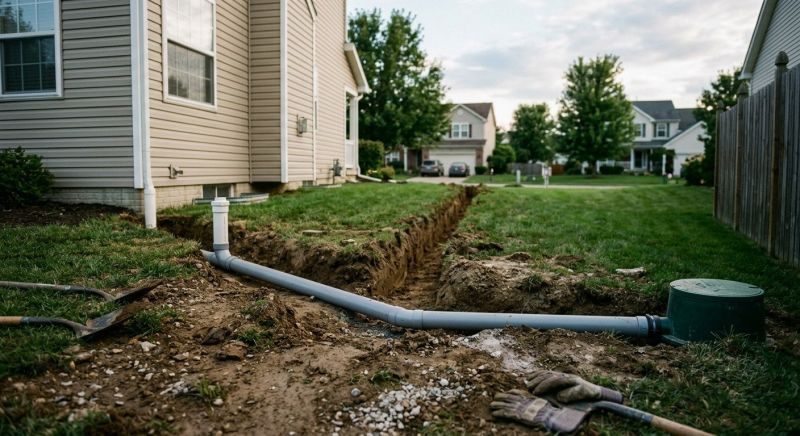
Proper installation ensures reliable waste removal and prevents costly backups.
Common Reasons For Replacement
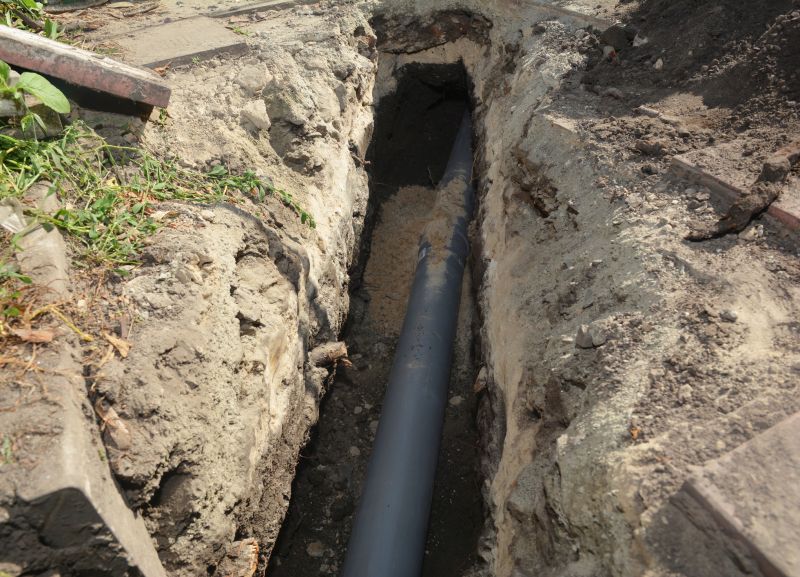
Property owners may need new sewer laterals due to aging pipes, damage, or property upgrades.
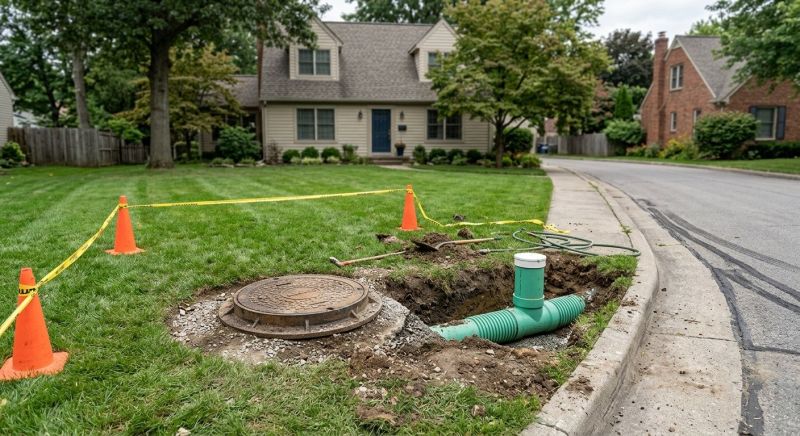
Key Considerations For Denver Homes
Factors like soil conditions and local regulations influence sewer lateral installation in the denver area.
Sewer Lateral Installation in Denver, CO

Sewer lateral installation involves the process of connecting a property's plumbing system to the main sewer line, typically extending from the building's foundation to the municipal sewer system or a private septic tank. This service is often needed during new construction, property upgrades, or when existing sewer connections are damaged or outdated. Projects can include installing new sewer lines for homes, replacing old or broken lateral pipes, or extending lines to accommodate additions or renovations. Property owners should consider factors such as the location of existing sewer lines, property layout, and local regulations when planning a sewer lateral installation.
Before requesting sewer lateral installation, homeowners usually want to understand the scope of work involved, potential disruptions, and the importance of proper planning. It’s helpful to know if permits are required and how the installation might impact landscaping or existing structures. Additionally, understanding the materials used and the durability of the new sewer line can ensure long-term functionality. Clarifying these details can assist property owners in making informed decisions and preparing adequately for the project.
Many property owners in Denver, CO look into Sewer Lateral Installation for repairs, replacements, upgrades, and appearance-related improvements.
Common Sewer Lateral Installation Jobs
Sewer lateral installation involves connecting a property’s plumbing system to the municipal sewer line.
New sewer lateral installation is often needed for new construction or property upgrades.
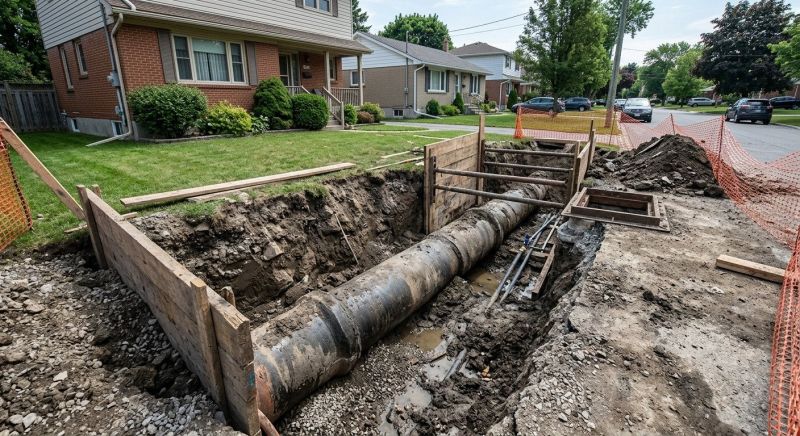
Replacement of existing sewer laterals addresses issues like frequent clogs or root intrusion.
Septic to sewer conversions involve installing a lateral to connect a property to municipal sewer lines.
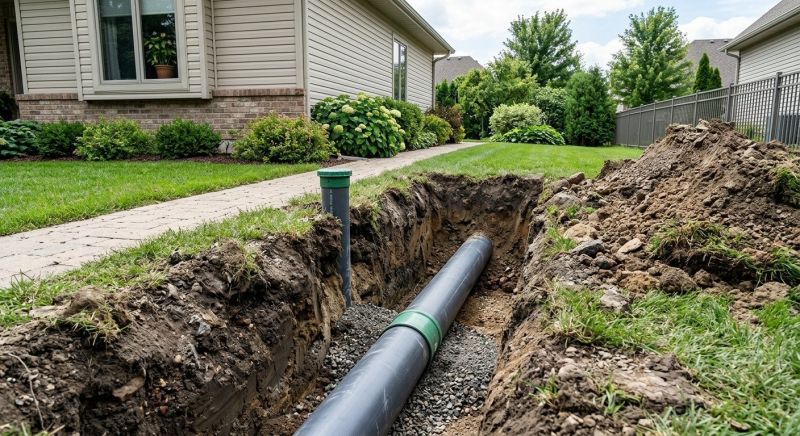
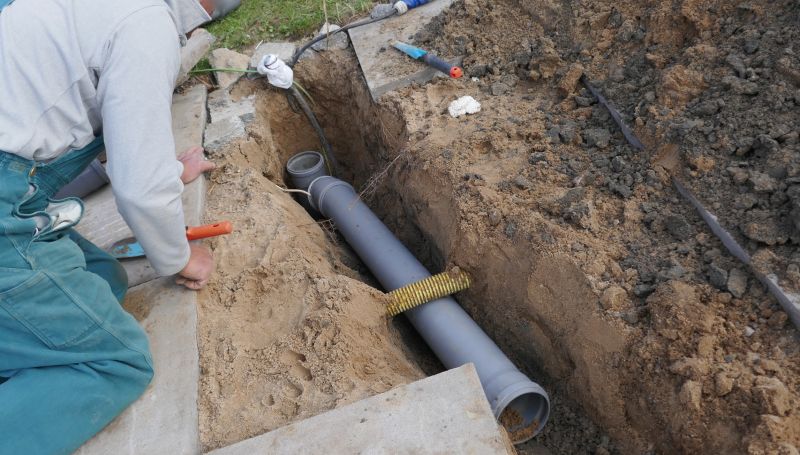
Underground sewer lateral installation requires careful excavation and precise connection to ensure proper flow.
Emergency sewer lateral services provide prompt work for urgent blockages or damage repairs.
Sewer Lateral Installation Questions
What is a sewer lateral installation? It involves installing or replacing the underground pipe that connects a property’s plumbing system to the main sewer line.
When is sewer lateral installation needed? This service is often requested during home construction, renovation, or if existing pipes are damaged or blocked.
What types of pipes are used for sewer lateral installation? Common options include PVC, ABS, and cast iron pipes, selected based on durability and local building codes.
What should property owners consider before installation? It’s important to assess the existing piping condition and confirm proper connection to the main sewer line for reliable operation.
Request Sewer Lateral Installation in Denver, CO
Use the quote form on this page to share the basics of your project and request more information for the type of work you need.