Trenchless Sewer Repair in Cumming, GA
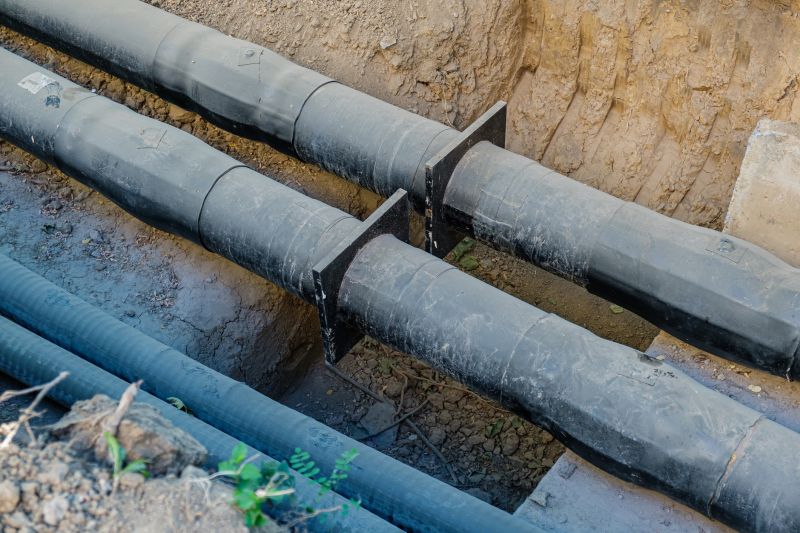
Trenchless sewer repair is a modern method used to fix damaged or blocked sewer lines without the need for extensive digging or excavation. This service is suitable for a variety of projects, including replacing aging pipes, repairing leaks, or addressing root intrusions that compromise the sewer system. Property owners typically want to understand whether this approach can be applied to their specific situation, how it minimizes disruption to landscaping and structures, and what the process involves.
Before requesting trenchless sewer repair, homeowners should consider the condition of their existing sewer lines and whether the damage is accessible through this method. It’s also helpful to know if the service can handle different pipe materials and sizes, and what the expected outcomes are in terms of durability and longevity. Understanding these details can assist property owners in making informed decisions about their sewer system repairs.
Many property owners in Cumming, GA look into Trenchless Sewer Repair for repairs, replacements, upgrades, and appearance-related improvements.
Understanding Trenchless Sewer Repair
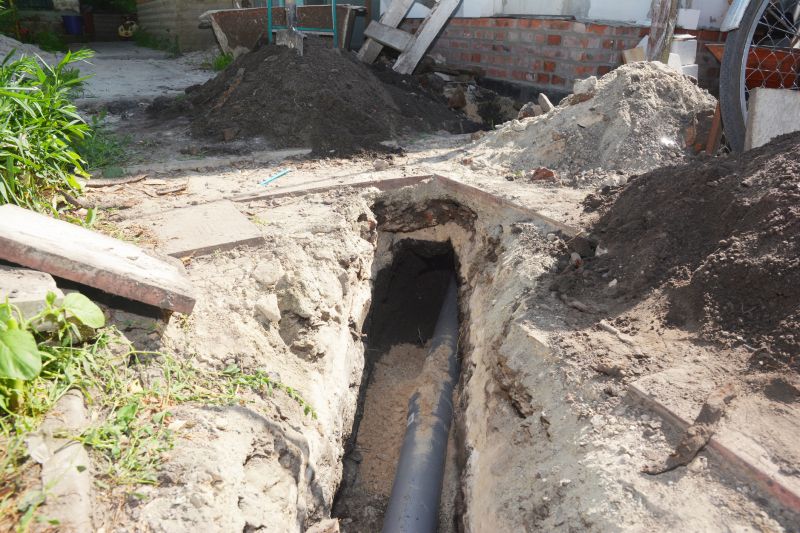
This method allows for sewer pipe repairs with minimal digging and disruption to your property.
Common Causes Of Sewer Line Damage
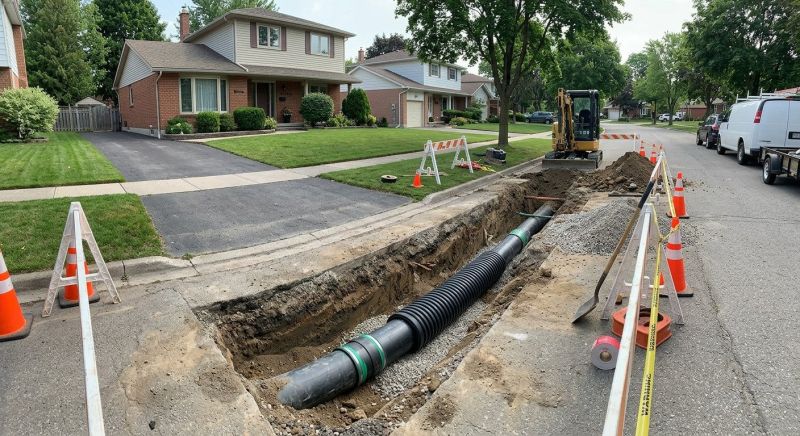
Tree roots, shifting soil, and aging pipes are typical issues that may require trenchless solutions.
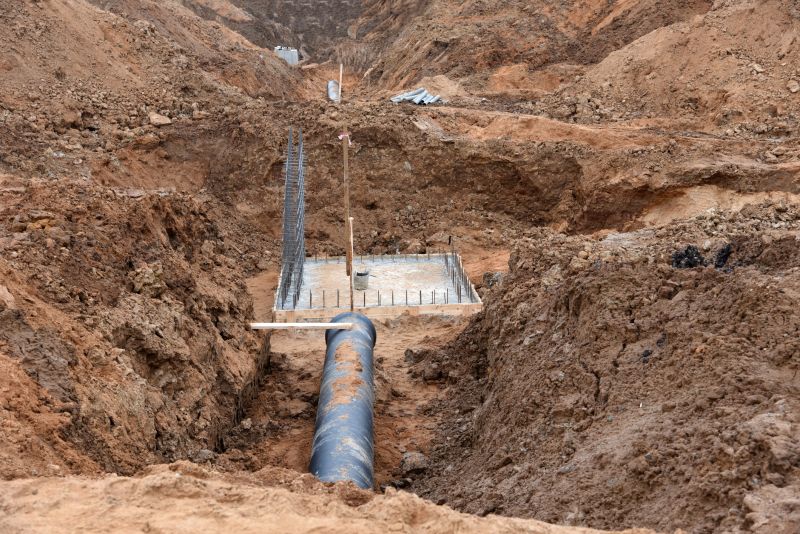
Benefits Of Trenchless Technology
Property owners in cumming, ga can experience faster repairs, less mess, and reduced restoration costs.
Trenchless Sewer Repair in Cumming, GA
Trenchless sewer repair is a modern method used to fix damaged or blocked sewer lines without the need for extensive digging or excavation. This service is suitable for a variety of projects, including replacing aging pipes, repairing leaks, or addressing root intrusions that compromise the sewer system. Property owners typically want to understand whether this approach can be applied to their specific situation, how it minimizes disruption to landscaping and structures, and what the process involves.
Before requesting trenchless sewer repair, homeowners should consider the condition of their existing sewer lines and whether the damage is accessible through this method. It’s also helpful to know if the service can handle different pipe materials and sizes, and what the expected outcomes are in terms of durability and longevity. Understanding these details can assist property owners in making informed decisions about their sewer system repairs.
Many property owners in Cumming, GA look into Trenchless Sewer Repair for repairs, replacements, upgrades, and appearance-related improvements.
Common Trenchless Sewer Repair Jobs
Pipe lining - a trenchless method to repair damaged sewer pipes without excavation.
Pipe bursting - a technique that replaces old pipes by breaking them apart and pulling new pipe into place.
Root removal - clearing tree roots that infiltrate and block sewer lines using minimally invasive methods.
Leak repairs - sealing leaks and cracks in sewer pipes to prevent further damage and backups.
Line inspection - using camera technology to identify blockages, cracks, or other issues inside the sewer system.
Pipe relining - installing a new pipe within the existing sewer line to restore function without digging.
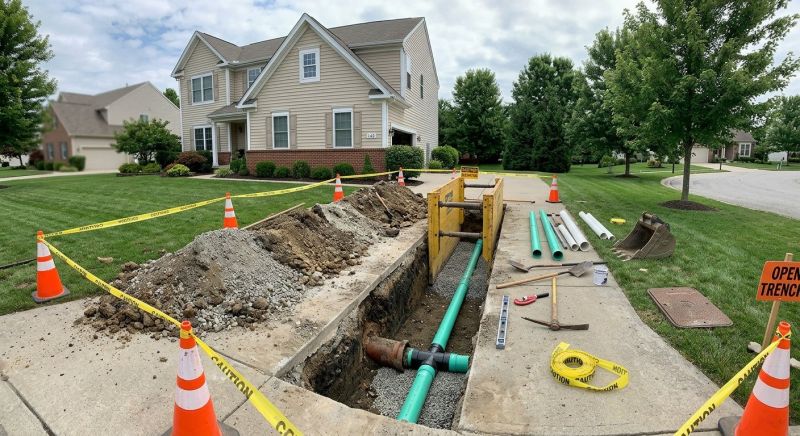
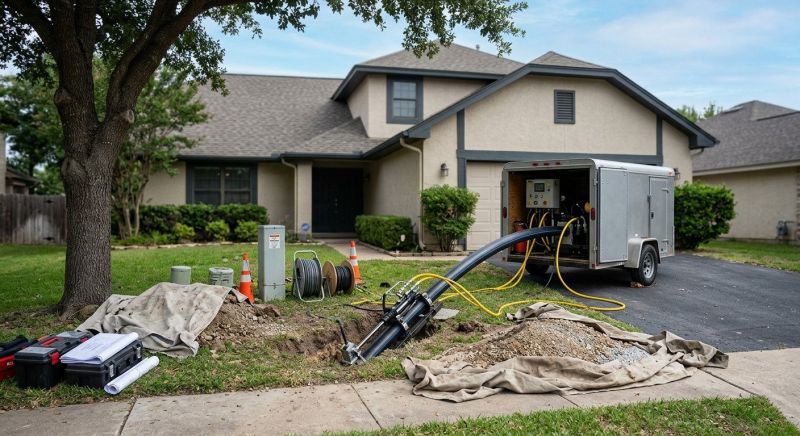
Trenchless Sewer Repair Questions
What is trenchless sewer repair? It is a method to fix damaged sewer lines without digging extensive trenches, minimizing disruption to the property.
When should homeowners consider trenchless sewer repair? When sewer lines are cracked, collapsed, or clogged, and traditional excavation would be disruptive or costly.
What types of sewer issues can trenchless repair address? It can resolve leaks, cracks, blockages, and pipe collapses in underground sewer lines.
How does trenchless sewer repair work? It typically involves inserting a liner or pipe inside the existing line to restore functionality without extensive digging.
Request Trenchless Sewer Repair in Cumming, GA
Use the quote form on this page to share the basics of your project and request more information for the type of work you need.